
How to Make Sure Your Home Is Prepared for Winter
Cold weather can expose weaknesses that go unnoticed during warmer months. Drafty rooms, frozen pipes, blocked gutters, and unreliable heating equipment can disrupt daily routines and lead to expensive repairs. Preparing early gives homeowners time to address concerns without the pressure of an emergency.
A good winter checklist covers insulation, heating equipment, plumbing, exterior maintenance, energy use, and safety. Scheduling professional heating service is one part of that preparation, but simple checks throughout the home matter as well. These steps can improve comfort and reduce preventable problems.
Improving Insulation and Preventing Drafts
Insulation slows heat transfer, helping living spaces stay comfortable when outdoor temperatures fall. Attics are a useful place to begin because insufficient insulation and unsealed air leaks can allow significant heat loss. Homeowners should look for exposed areas, compressed insulation, or moisture while leaving potentially hazardous materials undisturbed.
Wall and basement insulation also affect comfort, although deficiencies may be harder to see. An energy assessment can identify needed improvements and help homeowners determine which areas require attention. Moisture problems should be addressed before adding insulation so new materials do not conceal an existing leak.
Drafts frequently develop around door frames, windows, attic hatches, and openings where pipes or cables pass through exterior walls. Weatherstripping, suitable caulk, and door sweeps can help reduce uncontrolled airflow when installed appropriately. Checking window seals and ensuring that doors close tightly can further improve indoor comfort.
Air sealing can reduce the demand on heating equipment, but combustion appliances still require adequate ventilation and combustion air. Homeowners should never seal required vents or exhaust openings. When uncertain about an opening, consulting a qualified contractor can help prevent unsafe modifications.
Maintaining Heating Equipment Before Cold Weather
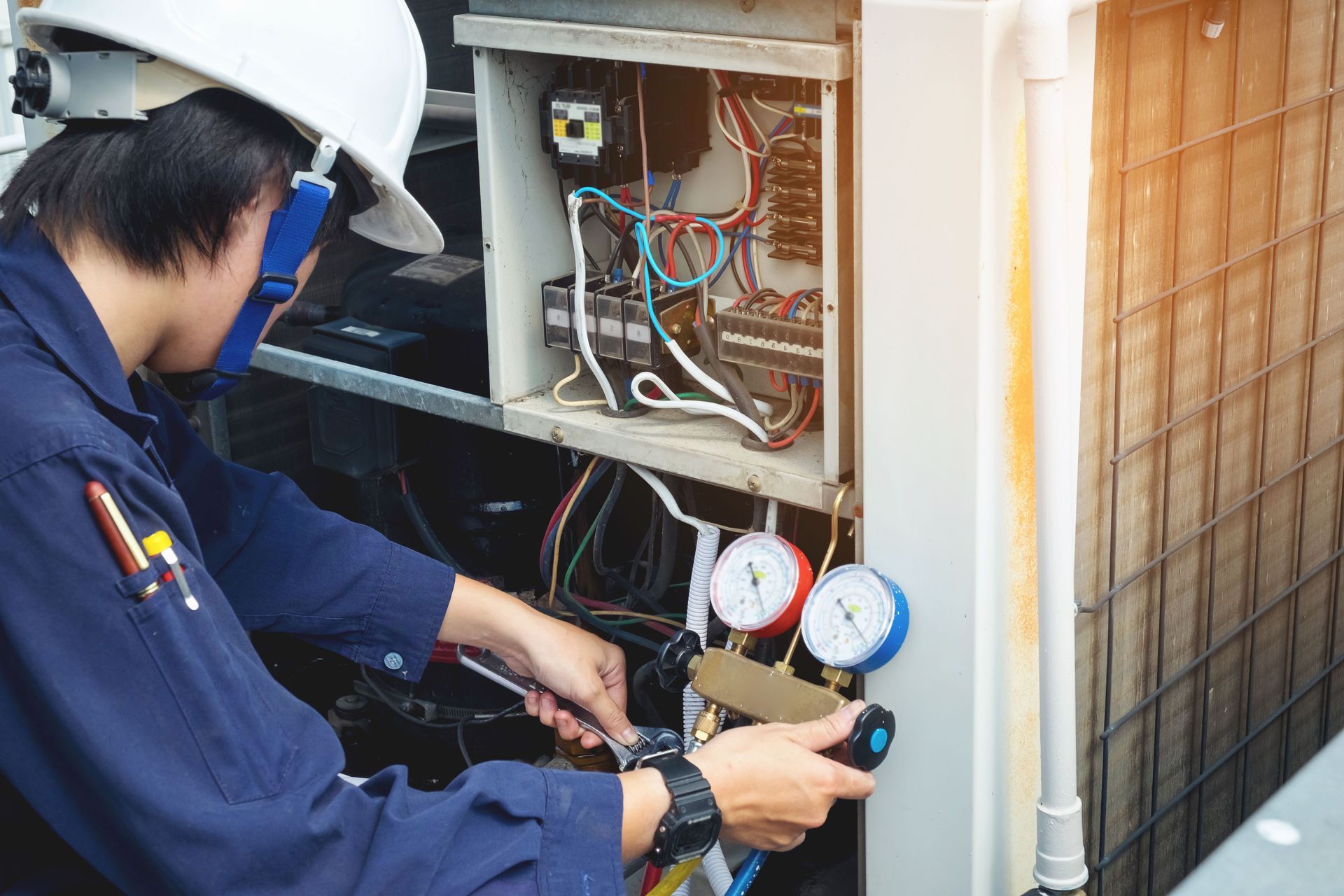
A furnace that worked last winter may still have developing problems with burners, electrical connections, or airflow. A technician can inspect accessible components, review operating performance, and identify repairs before heavy seasonal use. Professional heating service is particularly useful when equipment makes unusual sounds, cycles frequently, or heats unevenly.
According to Home Advisor, the average lifespan of a well-maintained furnace is about 15 to 25 years. Actual service life varies according to installation quality, usage, and maintenance. An older furnace does not automatically require replacement, but repeated repairs or declining performance may justify discussing available options with a professional.
Clogged furnace filters can restrict airflow and contribute to reduced comfort or equipment strain. Homeowners should check filters regularly and follow manufacturer replacement recommendations, since intervals depend on filter type, indoor conditions, and system use. Supply registers and return grilles should also remain clear of furniture, rugs, and stored belongings.
If certain rooms remain cold despite open registers, the cause may involve duct leakage, thermostat settings, or equipment performance. Rather than assuming duct cleaning is necessary, homeowners can request heating service to investigate the problem. Duct cleaning is generally most appropriate when a specific concern, such as substantial visible contamination, has been identified.
Protecting Plumbing From Freezing Temperatures
Pipes running through unheated garages, crawl spaces, or exterior walls may be more likely to freeze during prolonged cold weather. Suitable pipe insulation can help slow heat loss, particularly when combined with sealing nearby drafts and maintaining safe indoor temperatures. However, insulation alone cannot guarantee protection during severe freezing conditions.
During extreme cold, additional precautions may be necessary depending on the home's layout. Electric pipe-heating products should be approved for their intended use and installed according to manufacturer instructions. If a pipe has already frozen, homeowners should avoid using open flames and seek qualified assistance when safe thawing methods are uncertain.
Disconnecting garden hoses allows outdoor faucets to drain properly where their design permits. Depending on the plumbing system, homeowners may also need to shut off exterior water supplies, drain exposed lines, or winterize irrigation equipment. Completing these tasks before the first hard freeze reduces the likelihood of trapped water expanding inside vulnerable components.
Everyone in the household should know where the main water shutoff valve is located and how to operate it. Shutting off the water supply promptly during a pipe failure can help limit damage. Taking these precautions before winter provides additional protection against unexpected plumbing problems.
Preparing the Roof and Exterior
Loose shingles, damaged flashing, and clogged gutters can become more troublesome when snow, wind, and freezing temperatures arrive. Homeowners can inspect visible roofing areas safely from the ground and arrange professional repairs when necessary. Clearing leaves and debris from gutters also allows water to drain more effectively away from the house.
Ice dams can develop when heat escaping into the attic melts roof snow that subsequently refreezes near colder roof edges. Improving air sealing, insulation, and appropriate attic ventilation may help address contributing conditions. Because removing ice from elevated surfaces can be dangerous, homeowners should avoid climbing onto icy roofs.
Overhanging or weakened tree limbs may break under accumulated snow or ice, potentially damaging structures below. Property owners should look for visible cracks, dead branches, or limbs approaching utility lines. Branches near electrical wires should be handled by a utility provider or appropriately trained professional.
Outdoor furniture, seasonal equipment, and exposed walkways also deserve attention. Storing or covering vulnerable items, checking exterior steps for slipping hazards, and maintaining clear access routes can help prevent avoidable problems. Completing these tasks before severe weather arrives makes outdoor maintenance more manageable.
Reducing Energy Waste and Improving Comfort
A programmable or smart thermostat can help maintain comfortable indoor temperatures while reducing unnecessary heating when the home is unoccupied. Settings should match household routines and the heating system's design, since certain heat-pump systems require special consideration when using large temperature setbacks. Lowering indoor temperatures excessively during freezing weather may also increase the risk of frozen pipes.
Window coverings provide another opportunity to manage indoor comfort. Closing curtains at night can reduce discomfort near cold windows, while opening them during sunny periods may allow natural warmth into living spaces. However, proper weatherstripping and air sealing often address persistent drafts more effectively than window treatments alone.
A home energy assessment can reveal air leaks, insufficient insulation, and inefficient equipment that may be difficult to identify without testing. These findings help homeowners prioritize improvements based on existing conditions rather than purchasing upgrades without understanding their likely benefits.
When heating bills increase unexpectedly, comparing weather conditions and household energy consumption can help identify possible causes. A professional heating service appointment can evaluate equipment performance, while an energy assessment examines the building's overall efficiency. Together, these evaluations can provide a clearer picture of winter energy usage.
Strengthening Winter Safety and Emergency Readiness
Smoke and carbon monoxide alarms are essential safety devices, particularly in homes with fuel-burning appliances, fireplaces, or attached garages. Homeowners should test alarms according to manufacturer instructions, replace batteries when necessary, and check expiration dates. Heating equipment and exhaust vents should also remain free from obstructions, including accumulated snow and debris.
Ovens, grills, and outdoor heaters should never be used to heat indoor living spaces. Portable generators must operate outdoors, away from doors, windows, and ventilation openings, according to manufacturer safety guidance. If a carbon monoxide alarm sounds, occupants should leave the building immediately and contact emergency services from outside.
Winter storms can interrupt electricity, transportation, and water service. Keeping flashlights, batteries, drinking water, necessary medications, and shelf-stable food accessible helps households prepare for temporary disruptions. Emergency plans should also account for pets, accessibility needs, and medical devices that depend on electricity.
Homeowners should know whom to contact for urgent repairs and how to receive reliable weather alerts. Scheduling heating service before the coldest weather provides an opportunity to address known equipment concerns. However, having an emergency plan remains important even when a home is properly maintained.
Keeping Your Home Comfortable Through Winter
Winter preparation works best when homeowners address small concerns before they become larger problems. Improving insulation, protecting pipes, maintaining roof drainage, and checking safety equipment can reduce avoidable disruptions. Regular equipment inspections can also identify heating problems before they affect household comfort.
Don't wait for the first cold snap to find out whether your furnace needs attention. Contact Viglione Heating & Cooling today to discuss professional
heating service, schedule an inspection, and prepare your home for a more comfortable winter.


Share On: