
A Quick Guide to Furnace Installation: What to Expect
Installing a new furnace is a major step toward improving your home’s comfort, efficiency, and reliability—especially during colder months. Whether you’re replacing an outdated unit or installing a furnace in a new property, understanding the process can help you feel more confident and prepared. This guide walks you through what to expect during a professional furnace installation, from the initial assessment to the final system check.
Initial Consultation and Home Assessment
The furnace installation process begins with a detailed consultation and home evaluation. A qualified technician will assess your current heating system, inspect your ductwork, and evaluate factors such as your home’s size, insulation levels, and layout. This step ensures the new furnace is properly sized and suited to your specific heating needs. An incorrectly sized furnace can lead to inefficiency, uneven heating, and increased wear and tear over time.
During this stage, you may also discuss your preferences for energy efficiency, fuel type (such as gas or electric), and any additional features like smart thermostats or zoning systems. This consultation lays the foundation for a successful installation and long-term performance.
Picking the Right Furnace
Choosing the right furnace is essential for optimal comfort and cost savings. Modern furnaces come with varying efficiency ratings, typically measured by Annual Fuel Utilization Efficiency (AFUE). Higher AFUE ratings indicate greater efficiency, which can translate into lower energy bills over time.
Your technician will recommend models that align with your budget and heating requirements. They may also explain the benefits of variable-speed blowers, multi-stage heating, and compatibility with advanced thermostat systems. By choosing the right unit, you ensure consistent warmth and improved indoor air quality throughout your home.
Preparing for Installation Day
Before furnace installation begins, there are a few preparations that take place to ensure everything runs smoothly. The installation team will confirm measurements, review the installation plan, and ensure all necessary equipment and components are ready. This may include ductwork modifications, electrical connections, or venting adjustments.
On installation day, technicians will take steps to protect your home, such as laying down floor coverings and safeguarding nearby furniture or walls. They'll also ensure that the work area is clear and accessible, allowing them to complete the installation efficiently and safely.
Removing the Old Furnace
If you are replacing an existing furnace, the first major step is removing the old unit. This process involves disconnecting the system from its power source, fuel supply, and ductwork. Technicians carefully handle this step to avoid damage to surrounding components and ensure proper disposal of the old equipment.
Removing an outdated furnace not only clears space for the new system but also eliminates potential safety hazards associated with aging or malfunctioning units.
Installing the New Furnace
Once the old unit is removed, the new furnace installation begins. The team will position the new system, connect it to the ductwork, and integrate it with your home’s electrical and fuel systems. Precision is critical during this stage, as proper connections ensure efficient airflow, safe operation, and optimal performance.
Technicians will also install or adjust venting systems to safely direct exhaust gases. If needed, they may upgrade components such as air filters, humidifiers, or thermostats to enhance the overall system. Every detail is carefully managed to meet manufacturer specifications and local building codes.
System Testing and Calibration
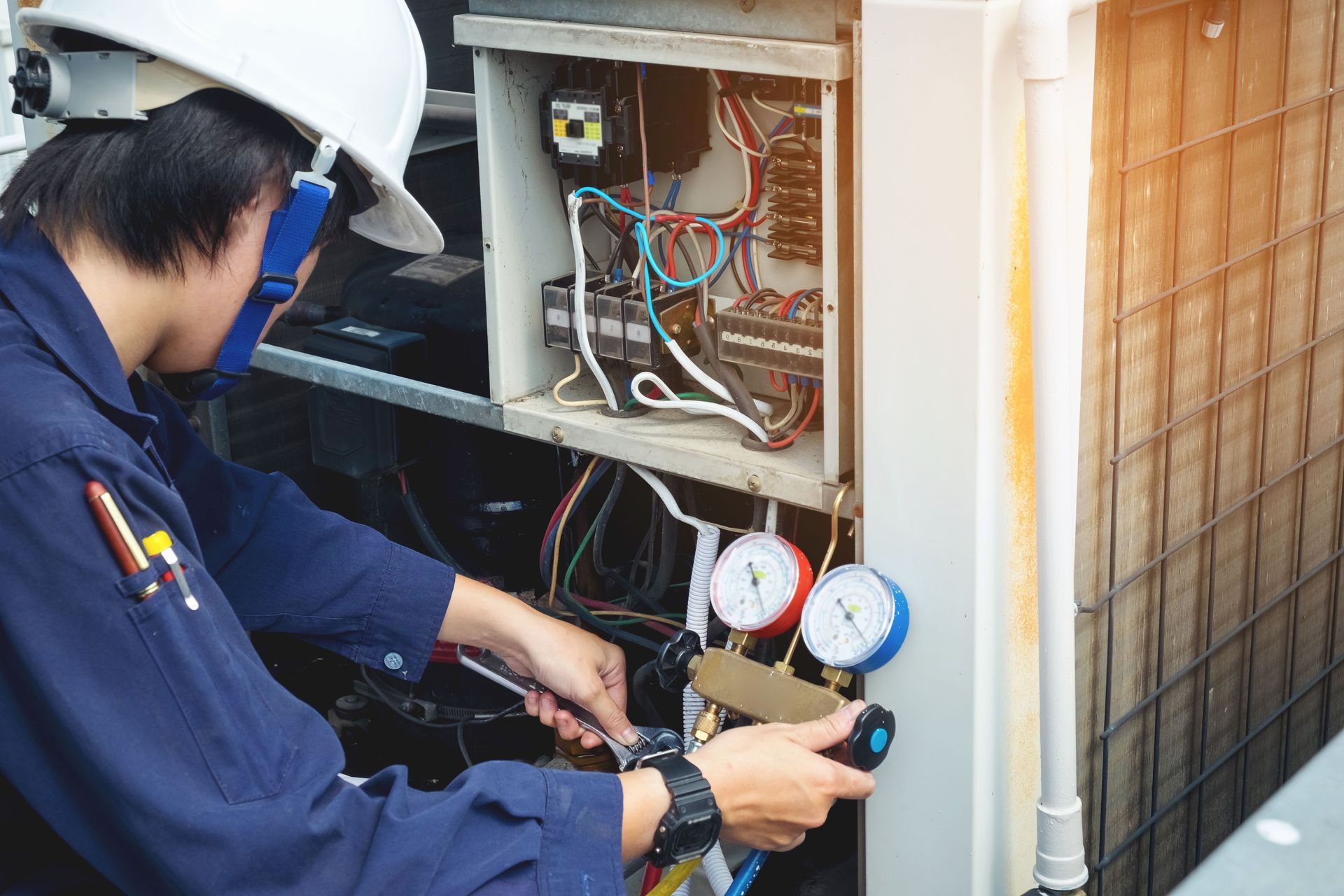
After installation, the furnace undergoes thorough testing and calibration. Technicians will power on the system and check for proper ignition, airflow, and temperature control. They'll also inspect for leaks, verify that all connections are secure, and ensure the system operates quietly and efficiently.
Calibration involves fine-tuning the furnace to achieve the best possible performance. This step helps ensure even heating throughout your home and prevents unnecessary energy consumption. Any adjustments needed are made before the installation is considered complete.
Understanding Your New System
Once the furnace is fully installed and tested, the technician will walk you through its operation. This includes explaining how to use the thermostat, change air filters, and recognize signs that may require maintenance. Understanding your system empowers you to maintain its efficiency and extend its lifespan.
You may also receive documentation such as warranty information, maintenance recommendations, and user manuals. Keeping these materials handy can be helpful for future reference.
Post-Installation Inspection and Cleanup
A professional furnace installation doesn’t end when the furnace is running. The team will conduct a final inspection to ensure everything meets safety and performance standards. They'll also clean up the work area, removing debris, packaging, and any leftover materials.
This attention to detail reflects a commitment to quality and ensures your home is left in excellent condition. According to Home Advisor, the average lifespan of a well-maintained furnace is about 15 to 25 years, so starting off with quality installation matters for the longevity of your system!
Understanding what to expect during a furnace installation can make the process far less overwhelming. From the initial assessment to the final system check, each step is designed to ensure your new furnace operates safely, efficiently, and effectively. Contact our team at Viglione Heating & Cooling today to schedule an appointment!


Share On: