
How Modern Furnace Installations Are Adapting to the Global Rise in Heat Pump Usage
Home heating requirements are shifting rapidly as technology evolves and environmental standards change across the residential sector. Property owners now evaluate heating options through the lens of long-term efficiency, environmental impact, and overall operational reliability. Modern furnace installations are moving toward hybrid designs that blend traditional warmth with clean, electrical heating solutions. Combining multiple heating sources ensures that houses remain comfortable during extreme winter cold snaps while managing energy usage effectively. Professional technicians design integrated systems that deliver consistent indoor comfort regardless of shifting external temperatures. Partnering with certified specialists helps homeowners choose heating setups tailored to their specific climate and household needs.
Understanding how hybrid heating systems operate empowers property owners to make informed choices during home upgrades. Integrating traditional fuel equipment alongside clean heating alternatives creates a flexible setup capable of handling variable winter weather patterns. Expert installers evaluate existing ductwork, insulation quality, and electrical capacity to ensure all components communicate seamlessly. Selecting the right equipment combination reduces mechanical wear and optimizes daily energy performance throughout the cold months. Skilled technicians handle complex system calibration so families enjoy reliable warmth without experiencing unexpected heating disruptions. Making thoughtful heating decisions protects property investments and enhances long-term indoor comfort for every resident.
Combining Dual Technologies for Hybrid Efficiency
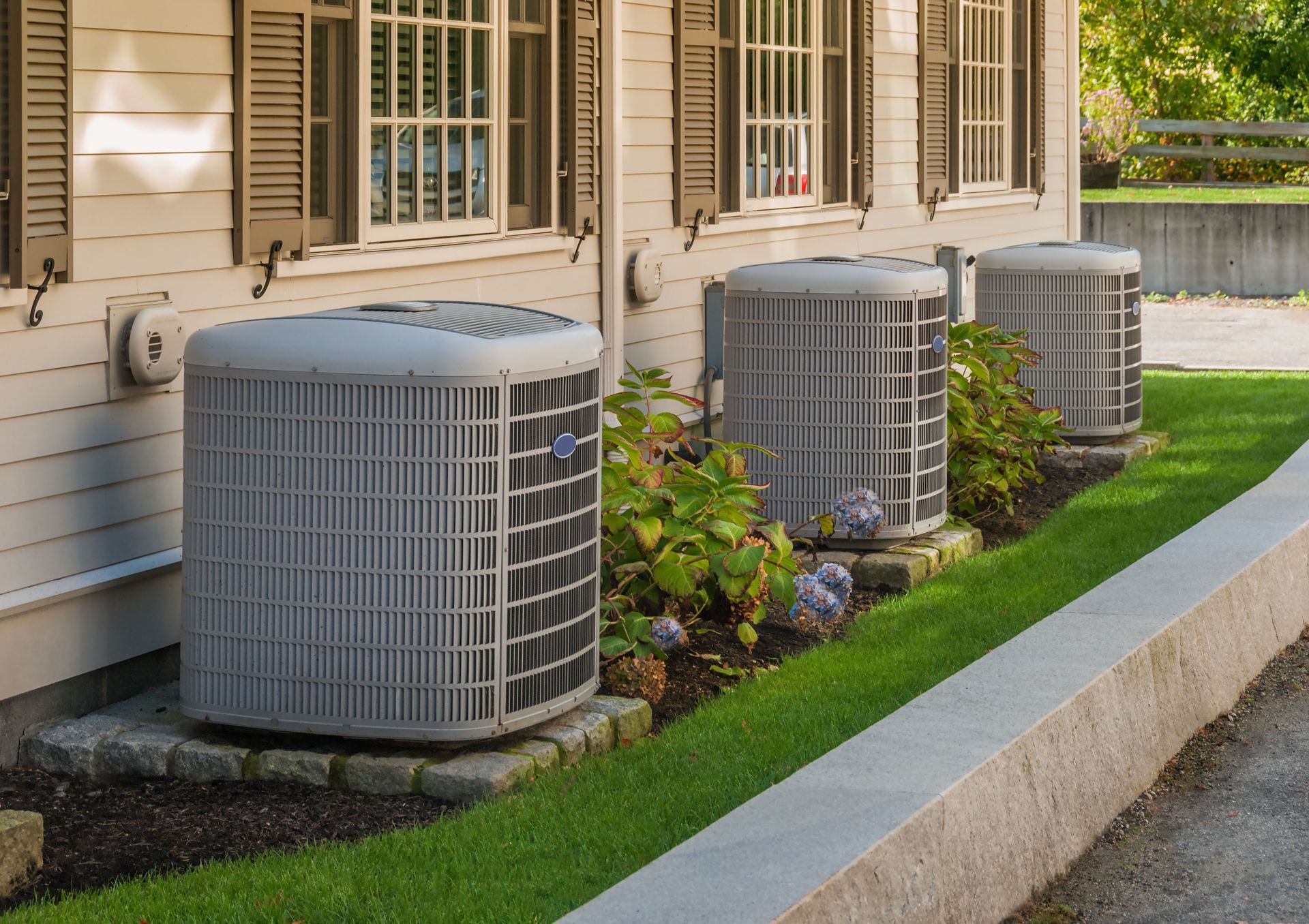
Integrating advanced fuel equipment with electric heating units represents the future of residential climate control. Dual-fuel setups utilize electric systems during mild winter days to maintain comfortable indoor temperatures with minimal energy consumption. When outdoor temperatures drop below freezing, the system automatically switches to the primary furnace to deliver rapid heat. Modern furnace installations ensure that both units share air handler ducts and thermostat controls without technical friction. Experienced installers configure dual-fuel controls to maximize system efficiency based on real-time outdoor temperature readings. This dual approach gives homeowners flexibility and control over seasonal heating expenses.
Hybrid systems also help extend the operating lifespan of individual heating units across your home. Because the electric system handles heating during mild autumn and spring days, the primary furnace experiences less seasonal wear. Fewer ignition cycles mean reduced stress on heat exchangers, burners, and blower motors over time. According to IEA.org, heat pumps are projected to nearly double their share of building heating by 2030 if current growth trends continue. Professional installers balance the operational load between both systems to preserve mechanical reliability. Proper system design ensures both units function harmoniously for optimal whole-home comfort.
Upgrading Internal Air Distribution Networks
Modern dual-fuel equipment requires proper airflow to deliver efficient heating throughout every living space. Existing ductwork systems designed for older heating units often require modification to accommodate modern air volumes. Skilled technicians evaluate duct sizing, static pressure, and register placement before placing new equipment into service. Quality furnace installations involve sealing leaky duct joints and adjusting blower fan speeds to balance airflow across all rooms. Properly balanced airflow prevents hot or cold spots from developing in distant areas of the house. Efficient distribution systems allow both electric and combustion heating elements to perform at peak capacity.
Air filtration systems also require careful integration when setting up modern hybrid heating configurations. High-efficiency filters capture dust, pollen, and microscopic debris without restricting the airflow needed for clean system operation. Technicians recommend compatible filtration units that protect sensitive coils while maintaining healthy indoor air quality. Clean airflow reduces dust accumulation on heat exchangers and internal heating elements, preventing unexpected mechanical strain. Proper ductwork adjustments ensure that quiet, consistent airflow reaches every corner of the property. Investing in duct improvements maximizes the overall comfort and performance provided by new heating equipment.
Updating Electrical and Fuel Connections
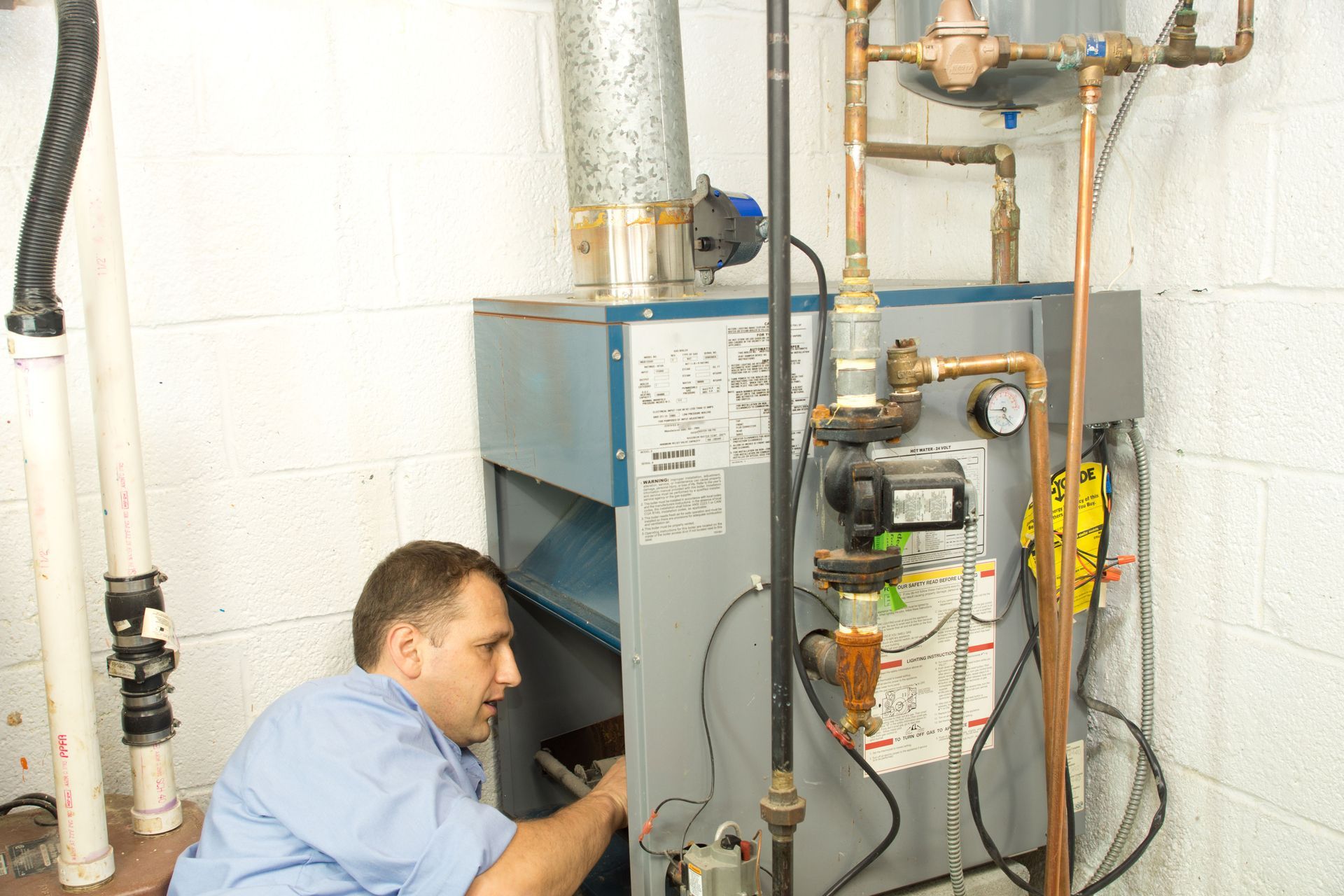
Combining gas or oil heating units with electric systems requires updating household utility connections. High-efficiency electric units demand dedicated electrical circuits and proper panel capacity to operate safely during heavy usage periods. Certified technicians verify that electrical wiring meets current safety codes before completing equipment connections. Comprehensive furnace installations include inspecting gas supply lines, shutoff valves, and exhaust venting systems for complete operational safety. Proper utility sizing prevents voltage drops, circuit breaker trips, or fuel delivery issues during peak winter demand. Thorough safety checks ensure all mechanical connections operate cleanly and securely.
Modern heating equipment also features advanced digital control boards that coordinate multi-stage heating cycles. These control modules monitor system pressures, temperature differentials, and safety switches continuously during operation. Technicians calibrate these electronic controls to ensure seamless switching between fuel sources as weather conditions shift. Proper electrical integration protects sensitive control boards from power surges and electrical noise. Expert installation guarantees that emergency shutoff mechanisms respond instantly if system anomalies occur.
Integrating Smart Thermostat Controls
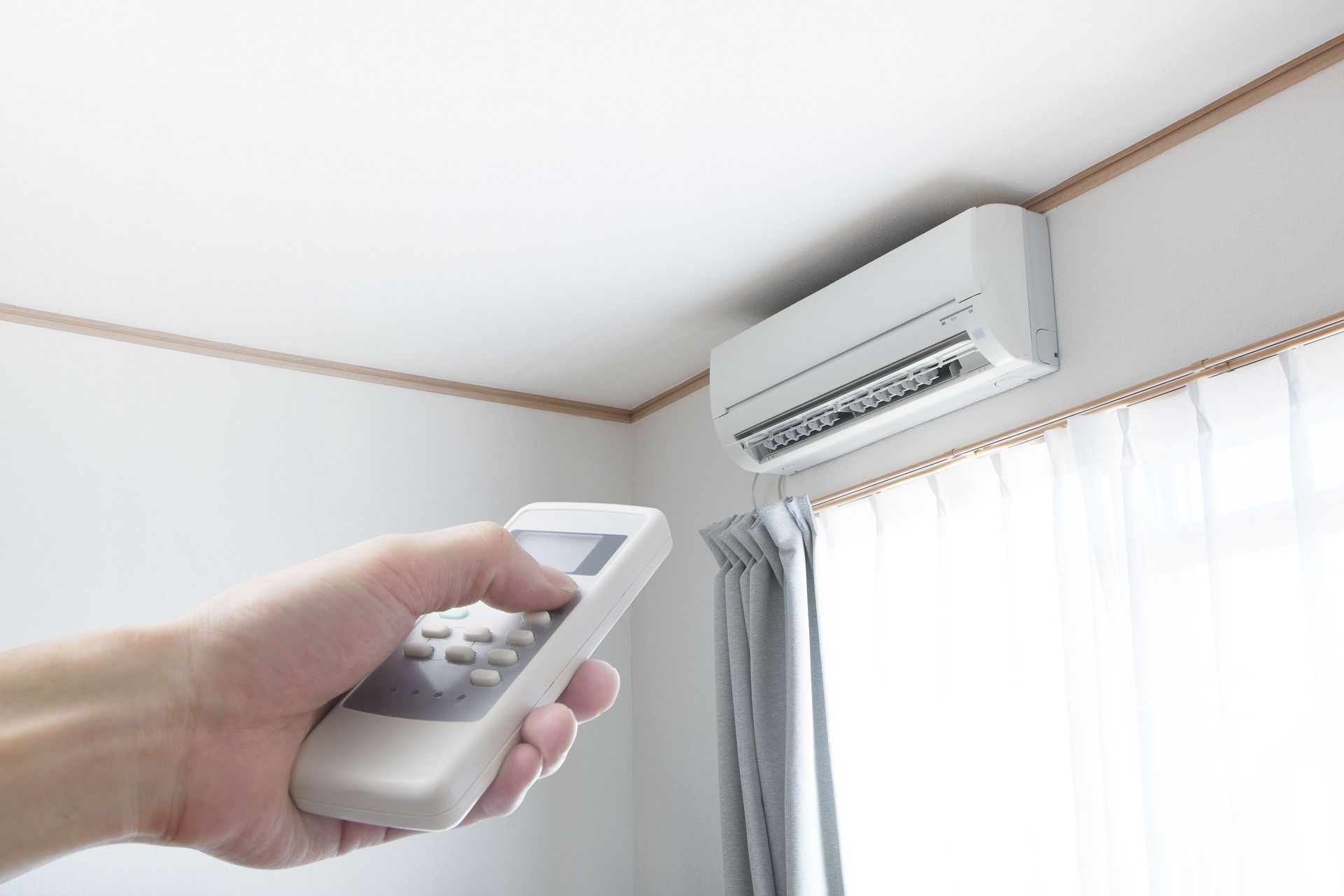
Managing hybrid heating equipment requires intelligent thermostat controls capable of handling multi-stage heating programs. Modern smart thermostats monitor outdoor temperatures, indoor humidity levels, and utility pricing trends to select the most efficient heating mode. These digital controllers allow homeowners to adjust temperature schedules, monitor energy usage, and receive maintenance alerts directly through mobile applications. Quality furnace installations include mounting smart thermostats in central living areas and wiring them to communicate with both heating sources.
Smart controllers also enable custom heating schedules that align with family routines and daily occupancy patterns. Lowering indoor temperatures during sleeping hours or away periods reduces overall fuel consumption without sacrificing evening comfort. Digital thermostats track system runtimes and notify homeowners when air filters require replacement or annual service is due. Technicians program optimal balance points into the thermostat to control exactly when the primary fuel burner activates.
Protecting Systems Through Professional Calibration
Precision calibration is essential when bringing complex multi-source heating equipment online for the first time. Technicians adjust gas pressure, test burner ignition, and measure temperature rise across heat exchangers to verify proper combustion. Professional furnace installations incorporate digital combustion analysis to confirm that exhaust gases vent safely outside the home. Technicians also test safety limit switches, pressure sensors, and flame roll-out detectors to ensure complete operational safety. Proper initial setup prevents fuel waste and protects internal components from thermal stress.
Airflow measurements and electrical voltage checks are equally critical during final system commissioning. Technicians measure fan motor amperage and supply voltage to ensure electrical components operate within manufacturer tolerances. System balancing guarantees that static pressure remains stable whether the electric unit or primary fuel burner is running. Certified installers document baseline performance metrics to track system health during future routine maintenance visits. Complete post-installation testing confirms that the hybrid system delivers quiet, reliable heat across all operational modes.
Maximizing Long-Term Heating Performance
Investing in professional setup and quality equipment yields long-term dividends in comfort, efficiency, and reliability. Modern hybrid heating systems provide adaptable warmth that adjusts smoothly to shifting seasonal weather conditions. Routine professional maintenance preserves system efficiency, keeps energy bills manageable, and prevents unexpected mid-winter mechanical failures. Expert furnace installations establish a solid foundation, ensuring all heating components perform reliably through winter storms and freezing nights. Proper system care protects your financial investment and maintains consistent indoor comfort for your household. Partnering with qualified specialists guarantees that your heating infrastructure remains safe, modern, and effective.
Upgrading your home heating system requires specialized technical knowledge, precise equipment sizing, and certified installation skills. Enhance your indoor comfort and optimize your energy efficiency by contacting Viglione Heating & Cooling today to schedule your expert heating consultation.


Share On: