
What to Expect From Your Furnace Over the Years
Understanding the lifespan of your furnace is crucial for homeowners who want to ensure their homes remain warm, safe, and energy-efficient without unexpected breakdown expenses. Factors such as the type of system installed, the frequency of professional maintenance, and the local climate conditions under which it operates can all influence a furnace's overall longevity and performance over time. Maximizing furnace efficiency and durability requires a dedicated combination of regular filter changes, timely component upgrades, and smart energy habits throughout every winter season. With proper care, homeowners can expect their heating equipment to provide reliable service for many years while keeping monthly utility costs manageable.
According to Home Advisor, the average lifespan of a well-maintained furnace is about 15 to 25 years. However, achieving this target requires staying proactive about system repairs, monitoring energy usage, and knowing when an aging unit is becoming a financial drain. Proper equipment sizing during initial setup also plays a critical role, as an incorrectly sized system will short-cycle, accelerating component wear and leading to early equipment failure. By understanding what to expect during each stage of your heating system's operational lifecycle, from initial setup to the eventual replacement phase, you can make informed financial decisions.
Understanding Furnace Lifespan
Furnaces come in various types, each with its expected lifespan and operational characteristics. Gas furnaces are among the most common residential heating choices and can last anywhere from 15 to 30 years, depending heavily on maintenance regularity, overall usage, and build quality. Electric furnaces typically have longer operational lifespans, sometimes up to 30 years, because they feature fewer mechanical parts that can wear out or corrode over time. Oil furnaces tend to fall in the middle of this spectrum, with average lifespans ranging from 15 to 20 years due to the extra wear and tear associated with the oil combustion process. Knowing these baselines helps homeowners set realistic expectations for system longevity and replacement planning.
The longevity of a furnace is influenced by several core factors, including the initial quality of installation, the fuel source, and how consistently it receives annual service. Regular preventive maintenance allows technicians to catch small issues like failing bearings or loose wiring before they become major, costly problems, thereby extending the unit's operational life. Environmental factors, such as high indoor humidity and heavy dust accumulation, also affect how long internal components remain functional. Furthermore, systems properly sized for the home's square footage avoid unnecessary short-cycling, preserving critical components like the heat exchanger and blower motor for as long as possible.
Setting Up and Optimizing
Selecting a replacement furnace begins with evaluating the precise heating capacity required for your living space. Choosing an energy-efficient unit with a high Annual Fuel Utilization Efficiency (AFUE) rating ensures substantial long-term fuel savings and lower utility bills. Working alongside certified HVAC professionals helps you select a model tailored to your climate zone, duct configuration, and household budget. Modern units can also be integrated with smart thermostats, multi-zone damper systems, and advanced air filtration, maximizing comfort and energy management from the day of setup.
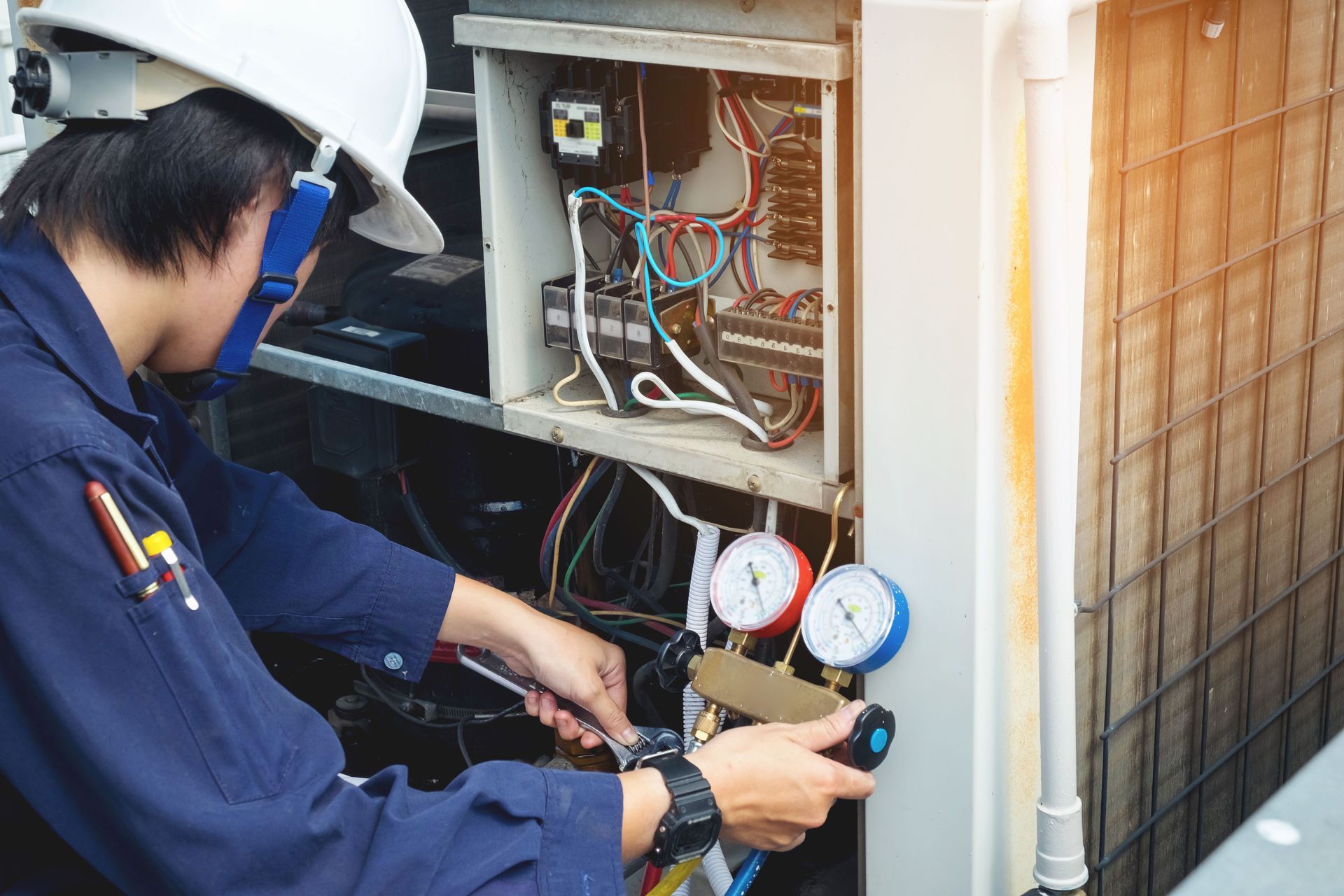
While DIY projects can be appealing, professional furnace installation ensures that your system is configured safely and in compliance with local building codes. Trained HVAC technicians possess the specialized equipment and technical training needed to connect gas lines, calibrate electrical connections, and route venting systems properly. Faulty self-installation can void manufacturer warranties, compromise system performance, and create dangerous safety hazards like gas leaks or carbon monoxide exposure. Relying on certified experts guarantees optimal airflow, maximum fuel efficiency, and long-term peace of mind.
Maintaining and Servicing
During the middle years of your furnace's lifecycle, routine maintenance is essential for preserving performance and preventing unexpected breakdowns. Basic tasks such as swapping dirty air filters, cleaning blower fan blades, and inspecting the ignition system keep operational stress to a minimum. Technicians must also check electrical connections, test safety controls, and inspect the heat exchanger for cracks or corrosion. Skipping routine care leads to higher energy bills, reduced airflow, and premature wear on vital mechanical parts.
Common performance issues during this stage often stem from neglected components or minor system imbalances. Uneven temperatures across living spaces usually point to duct leakage, balance issues, or faulty thermostat sensors. Noisy operation, such as squeaking or grinding sounds, often signals a failing blower belt, dry motor bearings, or loose housing panels. Addressing these performance hiccups quickly through professional servicing restores indoor comfort and prevents minor operational stress from causing catastrophic system failure.
To maximize system efficiency during its mid-life cycle, upgrading minor accessory components can yield impressive results. Replacing an outdated manual thermostat with a programmable or smart model allows for automated temperature setbacks when you are sleeping or away from home. Adding high-efficiency air filters or an air cleaner protects internal furnace components from dust buildup while improving indoor air quality. If your unit begins showing signs of strain, consulting a professional technician helps determine whether targeted component upgrades or a complete furnace installation will be the most cost-effective solution.
Preparing for Replacement
As your furnace enters its final years, determining when repairs are no longer cost-effective is vital for financial planning. A helpful rule of thumb: if a single repair estimate approaches half the cost of a new system, investing in a complete furnace installation is generally the smarter financial choice. Older units also suffer from lost efficiency, meaning you pay significantly more each month just to maintain basic warmth. Recognizing these financial indicators early gives you time to plan a smooth, stress-free equipment transition.
Innovations in modern heating technology make upgrading an attractive option for homeowners seeking improved performance. High-efficiency condensing furnaces utilize dual heat exchangers to extract maximum warmth from fuel, achieving AFUE ratings above 90 percent. Variable-speed blowers and modulating gas valves automatically adjust heating output to match real-time weather conditions, delivering consistent temperatures while running quietly. Integrating these modern units with home automation systems provides seamless remote monitoring, diagnostic alerts, and precise temperature management.
When selecting a new unit, comparing different models based on noise levels, warranty coverage, and long-term operating costs ensures you find the best value. Financing programs offered by reputable HVAC contractors, alongside utility rebates and energy-efficiency tax credits, can significantly offset initial equipment expenses. Planning your replacement includes checking existing gas lines, evaluating venting pathways, and ensuring ductwork compatibility. Coordinating these details with experienced technicians guarantees a seamless transition to a modern, highly efficient heating system.
Prioritizing Safety and Efficiency
Ensuring home safety requires active vigilance around gas lines, electrical connections, and exhaust venting systems. Regular furnace inspections help detect tiny gas leaks, loose wiring, or failing safety switches before they pose serious risks to your household. Proper venting is critical to prevent dangerous combustion byproducts from accumulating inside living spaces. Keeping the floor area around your furnace clean and free from flammable items, boxes, or chemicals reduces fire hazards and provides technicians with easy access during maintenance visits.
Carbon monoxide remains one of the most serious safety risks associated with aging or improperly maintained fuel-burning furnaces. Cracks in a heat exchanger can allow this colorless, odorless gas to mix with the air circulated throughout your home. Installing carbon monoxide detectors on every floor and testing them monthly provides crucial early warnings in the event of a system leak. If your detector sounds or you suspect a gas issue, turn off your system immediately, evacuate the premises, and call emergency professionals for assistance. For more information about the services that we offer, reach out to our incredible team at Viglione Heating & Cooling today!


Share On: